Winter is a wonderful season for gifting, but it also turns every chocolate bar into a tiny, vulnerable snowflake. If you’re planning to send a sweet gift basket through frosty roads, you’ll want to keep that chocolate from turning into a gooey puddle. In this guide, we’ll explore practical, science‑backed tactics to preserve your chocolate, so the recipient enjoys every bite as intended.
Understand the Chocolate Melting Problem
Temperature and Chocolate Science
Chocolate’s temperamental nature stems from its cocoa butter, which has several crystalline forms. The ideal form for a shiny, crisp chocolate is Form V. When temperatures rise above 30 °C (86 °F), cocoa butter melts and the chocolate becomes soft. Even brief exposure to 20–25 °C (68–77 °F) can set the chocolate into a dull, sticky state. In winter, the problem isn’t just the outside temperature; the sudden temperature swings during travel can wreak havoc on chocolate’s delicate structure.
Common Mistakes
- Packing chocolate directly into a basket: The basket’s metal or plastic can conduct heat. Neglecting insulation: A plain cardboard basket is no match for a blizzard. Using non‑food‑grade coolers: Some “cooling packs” contain chemicals that can leach into chocolate.
Have you ever seen a chocolate bar melt in a basket? The sight is almost as disheartening as a broken snowflake.

Pre‑Trip Preparation
Choosing the Right Chocolate
Not all chocolate is created equal. Dark chocolate with a higher cocoa content (70 %+ cacao) resists melting better than milk chocolate. Look for brands that emphasize “stable tempering” or “heat‑resistant” in their packaging.
- Dark chocolate: More cocoa, less milk, higher melting point. Single‑origin chocolate: Often has a cleaner flavor profile and can be more resilient. Mini‑bars or bite‑sized pieces: Smaller surface area means less chance of melting.
Packing Essentials
Before you even think of the basket, gather these items:
- Insulated lunch bag or cooler: A small, reusable cooler is ideal. Silicone ice packs: Food‑safe and reusable. Aluminum foil or parchment paper: Wrap chocolate in layers to block heat. Tissue paper: Adds an extra cushion.
Remember, the goal is to create a micro‑environment that keeps the chocolate below 30 °C.
Packaging Techniques That Keep Chocolate Cool
Insulated Basket Options
If you prefer a basket, choose one with built‑in insulation or add an insulating layer. Foam inserts, Styrofoam trays, or even a double‑layered paper bag can significantly reduce heat transfer.
- Foam inserts: Lightweight, easy to place. Paper bag double‑layer: A classic, eco‑friendly choice. Custom insulated baskets: Some online retailers offer baskets with built‑in foam.
Cooling Packs and Ice Cubes
Place a small, sealed ice pack at the base of the basket. The ice will absorb heat, keeping the chocolate cool. Make sure the pack is sealed so it doesn’t leak into the chocolate.
- Silicone ice packs: Reusable, no leakage risk. Frozen water bottles: A cheap alternative if you’re on a budget.
Layering and Sealing
Think of the basket like a sandwich: the chocolate is the filling, and the layers around it are the bread that protects it.
- Bottom layer: Place a sheet of parchment paper. Middle layer: Wrap chocolate in foil or parchment. Top layer: Add another sheet of parchment before sealing the basket.
This multi‑layer approach creates a barrier against heat.
In‑Transit Strategies
Timing Your Delivery
Plan your Retirement gifts trip to avoid the hottest part of the day. If possible, start early in the morning or late in the evening when temperatures are lower.
- Morning delivery: Cooler air, less traffic. Night delivery: Even colder, but watch for icy roads.
Weather Considerations
Check the forecast. A sudden heatwave can be the difference between a perfect gift and a melted disaster. If a heatwave is predicted, consider a faster route or a different delivery time.
Roadside Stops
If you’re driving long distances, make a quick stop at a rest area. Open the basket in a shaded spot, let the chocolate cool for a few minutes, then resume.
The Final Touch: Presentation and Aftercare
Adding a Personal Note
A handwritten card can turn a simple chocolate basket into a memorable gift. It’s a small touch that says you care about more than just the chocolate.
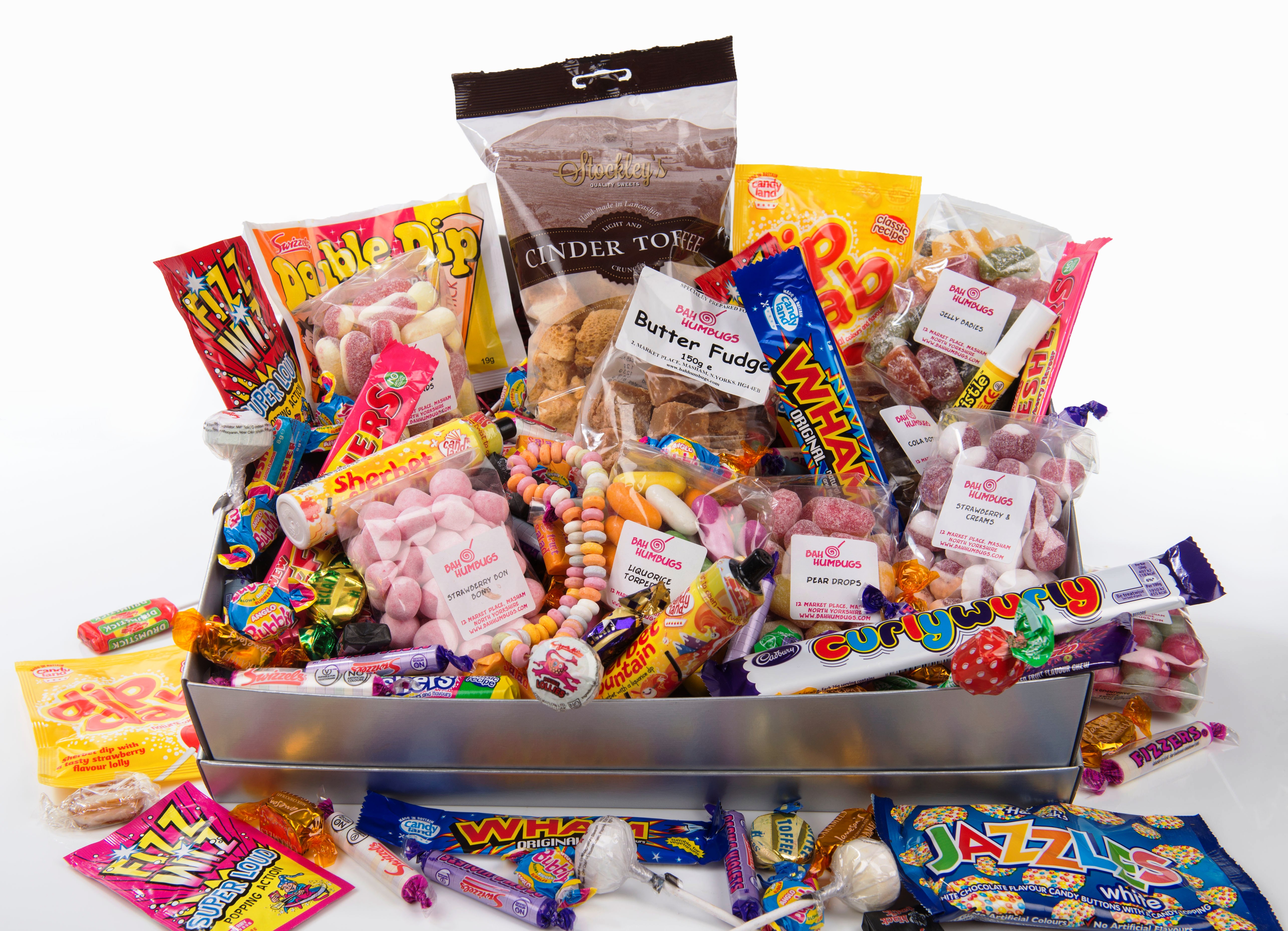
Quick Fixes if Melting Happens
If you discover that a chocolate bar has started to soften, don’t panic.
- Wrap the softened chocolate in a fresh sheet of foil: This can help it set again. Place the chocolate back in the cooler: A brief cooling period can restore its firmness. Consider a “chocolate rescue kit”: A small container of cocoa powder and a pinch of sugar can help re‑temper chocolate at home.
> “Chocolate is like a fragile snowflake—handle it with care, and it will sparkle.” – Anonymous Chocolatier
The Perfect Gift Awaits
With the right preparation, insulated packaging, and smart travel tactics, your sweet gift basket can survive the winter’s chill and heat spikes. By choosing heat‑resistant chocolate, layering protective materials, and timing your delivery strategically, you’ll ensure that each bite remains as delightful as the first.
Remember, a well‑protected chocolate basket is more than a gift; it’s a testament to thoughtfulness and care. Pack wisely, travel smartly, and let your recipient savor the sweet moment—without the melt.
---
* Ready to send a winter‑proof chocolate basket?* Gather your supplies, follow the steps above, and watch your gift travel safely to its destination. Your loved one will thank you for the perfect, melt‑free experience.